


Which Electric SUV Suits You?
As electric vehicles take over the modern road, the Ford Mustang Mach-E vs. Tesla Model Y debate continues to energize drivers seeking a stylish, high-tech, and high-performance SUV. These two EV titans bring different strengths to the table, but one stands out as the bold, driver-focused choice for real-world adventurers. From capability to comfort and charge time to self-driving capabilities, this Ford Mustang Mach-E vs. Tesla Model Y comparison highlights what matters most for EV buyers looking to make a smart switch, as well as car shoppers considering their options for the best overall value and features in a car. Read on with Crossroads Ford of Fuquay-Varina and discover which electric SUV deserves a place in your driveway.
A Statement in Motion
Design is the first impression, and in the Ford Mustang Mach-E vs. Tesla Model Y matchup, it’s a tale of iconic performance vs. futuristic functionality. The Ford Mustang Mach-E channels its Mustang roots with athletic lines, bold lighting elements, and a stance that says “let’s go.” Inside, a streamlined yet warm interior features soft-touch materials, available ambient lighting, and a tactile volume knob on its 15.5-inch display. The Ford Mustang Mach-E offers performance ActiveX™ upholstery, providing a premium feel, and the front seats are supportive and comfortable, with available heating for added luxury.
Meanwhile, the Tesla Model Y’s design is minimalistic and aerodynamic, inside and out. The dash features a clean layout dominated by a large central touchscreen, integrating most vehicle controls and information. While the cabin offers plenty of space, its lack of physical controls and stark dashboard layout isn’t for everyone. The Tesla Model Y comes standard with synthetic leather upholstery, and its front seats are heated and provide good support.
Both vehicles offer premium roof options: the Ford Mustang Mach-E is available with a panoramic sunroof, while the Tesla Model Y features a standard glass roof that enhances the sense of space and light in the cabin. For drivers who crave connection to the road and intuitive comfort, the Ford Mustang Mach-E offers a more engaging atmosphere from the start.
Built for Thrill-Seekers
The Ford Mustang Mach-E GT vs. Tesla Model Y Performance performance comparison brings real excitement. Both vehicles rely on powerful electric motors as the source of their impressive specs. The Ford Mustang Mach-E GT delivers up to 480 horsepower and 700 lb-ft of torque with the GT™ Performance Upgrade, allowing it to rocket from 0–60 MPH in just 3.3 seconds. Thanks to instant torque from its electric motors, acceleration is immediate and exhilarating. Its standard all-wheel drive (eAWD) system and MagneRide® damping system help it corner confidently and carve through curves with precision, minimizing body roll and providing a composed ride. The ride quality in the Ford Mustang Mach-E GT is sporty yet comfortable, absorbing road imperfections while maintaining sharp handling.
The Tesla Model Y Performance model also features dual electric motors and produces strong torque, offering quick acceleration—0–60 MPH in as little as 3.5 seconds—with instant torque for rapid response. It is available with all-wheel drive, which enhances traction and performance, while rear-wheel drive is offered on other Tesla Model Y variants for those prioritizing efficiency. In terms of handling, the Tesla Model Y Performance exhibits slightly more body roll than the Ford Mustang Mach-E GT, but still delivers a firm and engaging ride. Ride quality is firm, tuned for sporty driving, but some may find the Ford Mustang Mach-E GT more refined over rough surfaces.
Both vehicles offer performance upgrade options, such as the GT Performance Edition for the Ford Mustang Mach-E and Performance Upgrade for the Tesla Model Y, further enhancing acceleration and handling. For those seeking something unique, the Ford Mustang Mach-E Rally stands out as a special high-performance variant designed for adventurous driving. Additionally, long range models are available for both lineups, providing extended driving range for those who need more miles between charges.
Ford’s heritage in performance engineering shines in the Ford Mustang Mach-E GT, where power meets control and emotion meets innovation.
How Fast Can You Charge?
Charge time can make or break your EV experience, and when comparing Ford Mustang Mach-E charge time vs. Tesla, both offer competitive numbers, but with key differences. Tesla’s proprietary Tesla Supercharger network allows the Tesla Model Y to charge from 10% to 80% in about 25 minutes, providing a significant advantage in charging speed and convenience. The Ford Mustang Mach-E, using a DC fast charger, reaches the same level in approximately 33 minutes—but it’s backed by the BlueOval™ Charge Network, North America’s largest public charging network. That means more access, more flexibility, and more confidence on long trips.
When looking at efficiency, the Tesla Model Y and Ford Mustang Mach-E both offer strong battery efficiency, which impacts not only charging speed but also overall range and real-world usability. In terms of fuel economy, the Tesla Model Y achieves up to 125 MPGe combined, while the Ford Mustang Mach-E offers up to 103 MPGe combined, making efficiency a key factor in daily driving costs.
Looking at driving range, the Tesla Model Y Performance can travel up to an EPA-estimated 277 miles on a full charge, while the Ford Mustang Mach-E GT offers up to 280 miles, giving the Ford a few more miles per charge. Both vehicles offer various trims ranging in battery size and performance, with the Ford Mustang Mach-E providing an extended-range battery option up to 320 miles of range for those who need to maximize their driving range for longer trips. This variety in battery and range options means you can choose the configuration that best fits your needs.
Technology That Connects, Not Confuses
Technology should elevate your drive—not distract from it. In the Ford Mustang Mach-E vs. Tesla Model Y tech showdown, Ford’s SYNC® 4A system stands out for ease of use, intuitive voice controls, and compatibility with both Android Auto™ and Apple CarPlay®. Among its standard features, the Ford Mustang Mach-E offers a vertically mounted touchscreen, a customizable 10.2-inch digital cluster, and wireless device integration for seamless smartphone connectivity. Wireless device charging is standard, adding to the convenience features that enhance the overall driving experience.
Tesla’s interface is controlled almost entirely by its central screen, which controls everything from cabin temperature to wiper speed. This can feel futuristic to some and frustrating to others. For daily use, Ford’s blend of digital connectivity, tactile controls, and standard convenience features helps keep your attention where it belongs—on the road ahead.
Smarter Safety and Self-Driving Confidence
Advanced driver-assist features are a must, and both vehicles deliver—but the Ford Mustang Mach-E self driving vs. Tesla conversation reveals important differences. Tesla’s Autopilot and optional Full Self-Driving system rely on vision-only technology, and while advanced, it still requires attentive oversight.
The Ford Mustang Mach-E, on the other hand, offers BlueCruise, a hands-free highway driving system with eye tracking to ensure driver awareness. It operates on pre-qualified sections of divided highways and brings a sense of security without overpromising autonomy. The Ford Mustang Mach-E also includes a comprehensive suite of standard safety features such as Adaptive Cruise Control, automatic high beams, and rear cross-traffic alert, enhancing both convenience and safety. For added comfort, higher trims offer a heated steering wheel, making cold-weather driving more enjoyable. When it comes to balancing innovation with responsibility, Ford Mustang Mach-E self driving vs. Tesla swings in Ford’s favor for transparency and safety.
Versatility and Space Where You Need It
Whether you’re loading gear or packing for a weekend trip, space matters. The Tesla Model Y offers up to 76 cu.ft. of cargo space with the rear seats folded and optional third-row seating. Rear passengers in the Tesla Model Y benefit from superior legroom and foot space, enhancing comfort on longer journeys. The Ford Mustang Mach-E counters with a practical 59.7 cu.ft. of cargo room and a front trunk (frunk) that’s water-resistant and washable—perfect for muddy boots or chilled drinks. When it comes to seat comfort, the Tesla Model Y provides supportive front and rear seats with good ergonomics, while the Ford Mustang Mach-E’s seats are also well-cushioned but may feel firmer to some occupants. It’s a question of how you use your space, and for many, the Ford Mustang Mach-E’s thoughtful layout feels more tailored to everyday life.
The Right EV for the Right Life
In the end, the Ford Mustang Mach-E vs. Tesla Model Y comparison is about more than specs—it’s about lifestyle, variety, and value. The Ford Mustang Mach-E stands out with four trims, including the base model, Ford Mustang Mach-E Premium, and other enhanced model options, giving buyers a choice between base models for affordability and premium features for added luxury. The Mustang name brings a legacy of performance, now reimagined in an electric SUV with strong build quality and a range of models to suit different needs and budgets.
When comparing prices and overall price to value, the Ford Mustang Mach-E lineup offers competitive prices across its models, while Tesla’s Model Y is known for its advanced technology, charging network, and brand reputation. However, the Ford Mustang Mach-E Premium trim delivers premium features and build quality that rival Tesla’s offerings, making it a compelling choice for those seeking a balance of cost, amenities, and the iconic Mustang experience.
Test-drive the future today at Crossroads Ford of Fuquay-Varina and experience the thrill, comfort, and confidence of the Ford Mustang Mach-E—the electric SUV that was made with drivers in mind.

Ford Maverick vs. Chevy Colorado: Small Trucks For Big Plans
In today’s dynamic truck market, two names stand out for drivers seeking a blend of capability, technology, and everyday practicality: the Ford Maverick vs. Chevy Colorado. While both models bring plenty to the table, the Ford Maverick carves out a unique advantage with a starting price lower than the Chevy, which offers a highly affordable entry into the pickup market without sacrificing performance or features—not to mention a standard hybrid engine. Visit Crossroads Ford of Fuquay-Varina to test-drive your next pickup truck and explore the Ford Maverick vs. Chevy Colorado head to head.
Styled For All Your Needs
When comparing the Ford Maverick vs. Chevy Colorado in terms of design, the Ford brings a fresh take to the pickup world with its compact size and city-smart appeal. It’s the perfect choice for urban drivers who want truck capability without the bulk. Its sleek, modern look blends contemporary styling with just the right touch of ruggedness, giving it standout appeal whether you’re cruising downtown or escaping for the weekend. When looking at the Ford Maverick vs. Chevy Colorado size, the larger Chevy leans into a more traditional midsize truck that was built for tougher terrains and heavier loads. This design comparison in the Ford Maverick vs. Chevy Colorado matchup highlights Ford’s edge in maneuverability and style.
Getting More Out of Your Truck
When it comes to Ford Maverick vs. Chevy Colorado performance, the Ford strikes a smarter balance for everyday use. The Ford Maverick delivers the perfect blend of efficiency and performance, thanks to its two smart powertrain options. The standard hybrid pairs a 2.5L Atkinson-cycle engine with an electric motor for a combined 191 horsepower, giving drivers a smooth, fuel-efficient ride perfect for daily commuting and weekend escapes. For more muscle, the available 2.0L EcoBoost® engine produces 250 horsepower and 275 lb.-ft. of torque without sacrificing the Ford Maverick’s nimble feel. In contrast, the Chevy Colorado’s 2.7L TurboMax™ engine delivers 310 horsepower and 430 lb.-ft. of torque, which is great for heavy-duty tasks but with less efficiency.
Looking at the Ford Maverick vs. Chevy Colorado towing capacity, the Ford holds its own with up to 4,000 lbs. when equipped with the 4K Tow Package. This is more than enough for hauling gear or a weekend trailer. Its lighter design also aids in fuel economy and maneuverability. Examining the Ford Maverick vs. Chevy Colorado, you’ll notice that the Chevy offers a beefier towing capacity of up to 7,700 lbs., but that strength comes with added size and cost. In the Ford Maverick vs. Chevy Colorado debate, Ford wins for drivers who need capable performance without compromising everyday efficiency.
An Interior Catered to Optimization
Tech-savvy shoppers comparing the Ford Maverick vs. Chevy Colorado will appreciate the Ford’s available 13.2-in. SYNC® 4 touchscreen, wireless Apple CarPlay® and Android Auto™, and built-in 5G modem. These features create a seamless, connected driving experience that’s hard to match. The Chevy Colorado includes modern touches like Google Built-In and an 11.3-in. screen, but falls just short of the Ford Maverick’s intuitive and advanced setup. From infotainment to connectivity, the Ford Maverick vs. Chevy Colorado tech comparison clearly favors the Ford’s in practicality and ease of use. Additionally, the Ford Maverick’s flexible seating configurations, clever storage like under-seat compartments, and available leather-trimmed finishes are designed to support your everyday hustle, whether you’re commuting or adventuring. The Chevy Colorado, while more spacious, can feel bulky in tighter urban settings, but is still able to push through. It offers power-adjustable front seats, durable materials, and thoughtful storage options to support both everyday driving and off-road adventures. In the Ford Maverick vs. Chevy Colorado interior comparison, the Ford’s smarter space use and urban-friendly design make it the more versatile choice.
Trucking Along
When weighing the Ford Maverick vs. Chevy Colorado, it’s clear the Ford is the go-to for drivers seeking a compact pickup that’s big on efficiency, tech, and everyday versatility. Its hybrid option, innovative features, and approachable price point make it a perfect fit for urban lifestyles and light-duty hauling. While the Chevy Colorado offers stronger towing and off-road chops, it comes at a premium. In the Ford Maverick vs. Chevy Colorado showdown, the Ford Maverick offers more of what modern drivers want at a price they’ll love. Visit Crossroads Ford of Fuquay-Varina to test-drive your winner today!
Ford Mustang Mach-E vs. Tesla Model 3: Which EV Will You Choose?
The electric vehicle market is growing, with the Ford Mustang Mach-E vs. Tesla Model 3 debate heating up as both are standout electric cars with unique features and capabilities. The comparison between these two vehicles highlights their unique strengths and features. You can expect high standards of luxury and build quality from these vehicles, with the Tesla Model 3 offering a minimalist interior and the Ford Mustang Mach-E providing a more performance-oriented aesthetic. Pricing is a crucial factor in this comparison, with the Ford Mustang Mach-E starting at a lower MSRP than the Tesla Model 3, making it a more affordable option for many buyers. With a much lower starting MSRP than Tesla, it offers a compelling entry point into the EV market without compromising on performance or features. Both vehicles offer advanced technology features that enhance the driving experience. Read our blog from Crossroads Ford of Fuquay-Varina to decide which one of these innovative EVs is for you!

Looking Good While You Feel Good
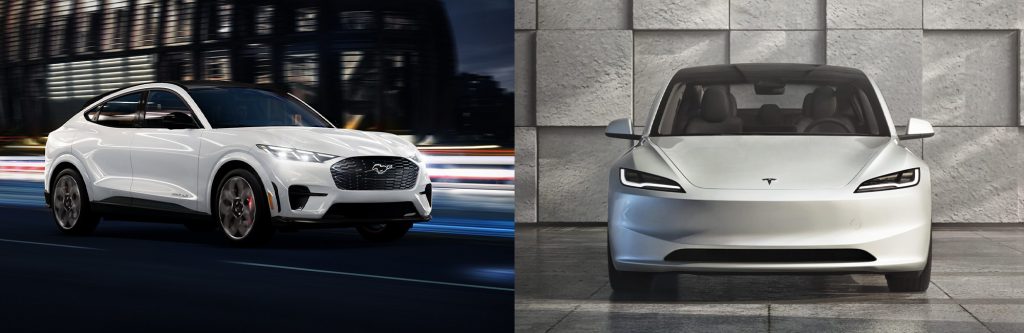
Design is a key differentiator in the Ford Mustang Mach-E vs. Tesla Model 3 matchup. The Ford delivers an athletic, aggressive look with Ford Mustang heritage cues and modern accents like LED lighting and sleek lines, complemented by a modern and elegant cabin. The Ford Mustang Mach-E’s cabin features soft-touch surfaces that enhance its premium feel. In contrast, the Tesla Model 3 leans into futuristic efficiency with its aerodynamic and minimalist exterior. For many, the Ford Mustang Mach-E’s sportier stance and dynamic styling, combined with its superior interior quality, better reflect the spirit of an engaging drive. Read on to uncover more Ford Mustang Mach-E vs. Tesla Model 3 specs.
More Power for Your Pep
In terms of sheer speed and acceleration, the Ford Mustang Mach-E GT vs. Tesla Model 3 Performance comparison is fierce, with the Ford leading with impressive acceleration times. The Ford Mustang Mach-E utilizes instant torque to enhance its performance and control in various driving modes. The Ford Mustang Mach-E leads with a 0–60 MPH time of as low as 3.3 seconds, while the Tesla Model 3 achieves this in as little as 4.2 seconds. The Ford Mustang Mach-E is also backed by an engaging eAWD system, giving it the agility and poise that drivers crave in real-world conditions. In contrast, the Tesla Model 3 possesses a dual-motor AWD, which is perfect for traveling long distances. The Ford Mustang Mach-E vs. Tesla Model 3 range comparison is quite close. The Ford Extended-Range rear-wheel drive model achieves up to an EPA-estimated 320 miles on a full charge, which isn’t too far from the Tesla Model 3’s 363 miles. Both vehicles offer impressive handling, with the Ford Mustang Mach-E providing precise steering feedback and a tuned suspension system. But this isn’t just about numbers, it’s about driving feel. While the Tesla can charge from 10% to 80% in as little as 25 minutes, the Ford Mustang Mach-E’s 43-minute time is complemented by access to the BlueOval™ Charge Network—the largest integrated public network in North America, offering more flexibility with over 100,000 locations.
Optimizing All Spaces Within
Inside, the Ford Mustang Mach-E vs. Tesla Model 3 debate gets interesting. Both models provide seating for up to five. The Tesla Model 3 has up to 17 speakers for immersive sound quality and a 15.4-in. touchscreen for all of your connectivity needs. By contrast, the Ford Mustang Mach-E balances comfort, design, and functionality seamlessly with its 15.5-in. screen, tactile volume knob, and a dedicated gauge cluster. The Ford Mustang Mach-E vs. Tesla Model 3 competition reveals distinct design philosophies. Tesla leans into minimalist control through its central screen, while Ford prioritizes driver usability with its SYNC® 4A system. The Ford Mustang Mach-E vs. Tesla Model 3 comparison also highlights Ford’s efficient use of space with up to 64.4 cu.ft. of cargo space, making it a more practical choice for those needing additional storage. The Tesla only utilizes 24 cu.ft., which may be enough for some, but for more versatility and passenger capacity, more space is favorable.
Safety First
When comparing the Ford Mustang Mach-E vs. Tesla Model 3 on safety, both excel, but have their fair share of similarities as well as their standout features. You can expect automatic emergency braking, lane-keeping assist, post-collision braking, and more from both models, and thanks to the Tesla Model 3’s lower center of gravity, you’d have enhanced rollover resistance and overall crash safety. The Ford Mustang Mach-E’s self-driving vs. Tesla Model 3’s autonomous driving ability is worth mentioning. However, it’s important to stay alert when utilizing BlueCruise or Autopilot, respectively. What makes the Ford Mustang Mach-E stand out is its commitment to reinforcing its position as a family-friendly, secure SUV that doesn’t compromise on passenger safety. The Ford Mustang Mach-E’s traction control settings enhance its driving dynamics, especially in low-grip situations. This also ties into the broader picture when considering Mustang Mach-E vs. Tesla Model 3 reliability, as Ford continues to focus on practical safety and dependability for everyday drivers.
Your Next EV
The Ford Mustang Mach-E vs. Tesla Model 3 comparison ultimately underscores a broader theme of value, usability, and thoughtful design for potential buyers, with each vehicle having its own advantages. The Ford Mustang Mach-E delivers on performance, comfort, and tech at a more accessible price point compared to other electric vehicles. In the context of Ford Mustang Mach-E vs. Tesla Model 3, it becomes even clearer that Ford’s model is purpose-built for modern drivers looking for an electric SUV that makes sense across the board. Take one for a test drive by visiting Crossroads Ford of Fuquay-Varina today!
Ford F-150 Cost of Ownership
Ford F-150 Cost: A Comprehensive Guide to Ownership
Thinking about adding a Ford F-150 to your fleet? Before you make your choice, it’s essential to understand the true cost of ownership. While the Ford F-150 is renowned for its versatility, power, and features, the total financial commitment extends beyond the initial purchase price. At Crossroads Ford of Fuquay-Varina, we’ll review the intricacies of Ford F-150 ownership cost, from financing options to ongoing maintenance costs in order to provide you with the information you need to make an informed decision. Visit us in Fuquay-Varina, NC, to get started!

The Starting Price & Payment Options
The Ford F-150’s initial price ranges from around $38,000 to $77,000, depending on trim level, engine, and features. While this starting price may be higher than what you would find in conventional cars, the Ford F-150’s slower depreciation and extreme performance features increase long-term value. By researching current market values and getting professional appraisals for your trade-in, you can negotiate the best possible deal on your next truck.
Financing options are influenced by your creditworthiness, loan duration, and down payment. Monthly payments for the Ford F-150 can fluctuate significantly depending on the financing terms you select. For those considering leasing, lower monthly payments make it an attractive option for many drivers.
Remember that prevailing Ford F-150 interest rates can affect your overall financing costs. To secure the best possible deal, stay informed about current market trends and explore various financing options.
How Much Can You Get Out of Your Ford F-150? Depreciation & Resale Value
When calculating the total cost of ownership for a Ford F-150, depreciation and resale value are key factors to consider. Over five years, the estimated cost of ownership settles at around $58,000 to $69,000, depending on the trim level and how you’ve used it.
Several factors can influence the depreciation of your truck, including trim level, engine, transmission, drivetrain, and overall condition. To minimize depreciation and maximize resale value, prioritize costs on the Ford F-150’s tune-ups, regular maintenance, and avoid excessive mileage when driving.
The resale value of a Ford F-150 can vary based on location, trim level, and vehicle condition. By carefully comparing depreciation rates and resale values, you can make an informed decision when purchasing this truck, ensuring you get the most value for your investment.
Ford F-150 Insurance & Maintenance Costs
Over a five-year period, insurance costs for a Ford F-150 are estimated to be between $5,000 to $16,000. Insurance premiums depend on your location, coverage type, and your driving record. To ensure you’re getting the best possible rates, compare quotes from multiple insurers. Ford Insure is also a reliable option.
Maintenance costs for the Ford F-150 are estimated to be between $5,000 and $6,000 over the course of five years. Taking care of your ride not only helps prolong the life of your vehicle, but it can also lead to long-term cost savings.
Customizing Your Truck
The Ford F-150 offers a diverse selection of customization options to cater to your individual needs and preferences. From exterior upgrades like wheels, tires, and trim kits to interior enhancements such as seats, dash trim, and infotainment systems, you can personalize your truck to your preferences.
Advanced technology and safety features like SYNC 4®, smartphone integration, Pro Trailer Backup Assist™, and the Blind Spot Information System can significantly elevate your driving experience and provide added convenience. These features add to the overall value of your truck.
Ford offers a variety of packages and options, like the FX4 Off-Road Package® and the Tow/Haul Package, to help you tailor your Ford F-150 to your specific needs. Additionally, aftermarket accessories and modifications can further enhance the vehicle’s performance, appearance, and functionality.
When customizing your rugged companion, consider factors like warranty, maintenance, and insurance costs to ensure you’re making informed decisions. It’s because customizations can add significant value to your ride, with a potential impact on resale value and overall cost.
A Capable Performer
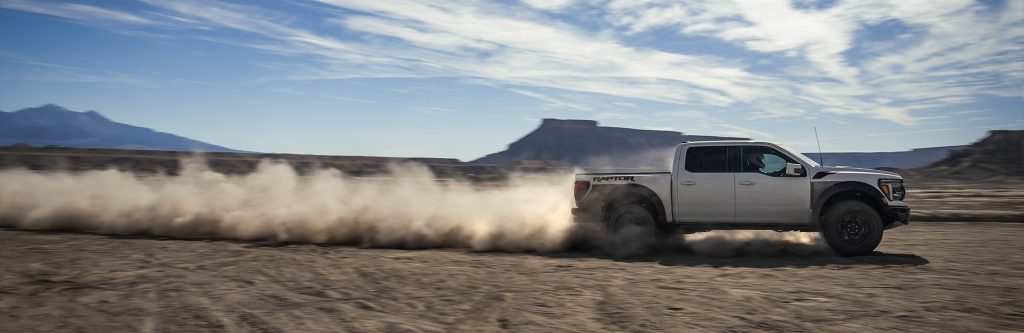
The Ford F-150 is celebrated for its exceptional performance and versatility, making it an ideal choice for both work and leisure. With a variety of engine options, including the powerful 3.5L hybrid engine and the robust 5.0L V8, this truck delivers impressive towing and hauling capabilities to meet your demands.
Advanced technology features like Pro Trailer Hitch Assist™ simplify towing and hauling. When driving on the road and different terrains, the Ford F-150’s four-wheel drive system, available Hill Descent Control™, and Terrain Management System™ provide exceptional off-road performance.
The payload capacity and maximum towing capacity of the Ford F-150 vary depending on trim level, engine, and drivetrain. To ensure optimal performance and capabilities, consult the specifications for your specific vehicle and adhere to a regular maintenance schedule.
Total Cost to Purchase Your Ford F-150
The total cost of ownership for a Ford F-150 over five years is approximately $58,000 to $69,000, encompassing financing, insurance, depreciation, and maintenance costs.
While traditional cars often depreciate by around 20% in the first year, the Ford F-150 exhibits significantly slower depreciation, demonstrating its superior value retention. Understanding the vehicle’s long-term value can assist you in making an informed purchase decision, making the Ford F-150 a wise choice if you aim to minimize your overall cost of ownership. By understanding these, you can make a smart decision and get the best value for your money. If you’re ready to put what you know into practice, visit Crossroads Ford of Fuquay-Varina to find your perfect truck today!
Ford Explorer Cost of Ownership

Ford Explorer Cost: The Pricing & Ownership Expenses
The Ford Explorer is a midsize SUV that offers versatility and performance. Before purchasing a new Ford Explorer, it’s important to understand the total cost of ownership. This includes the purchase price, insurance, depreciation, and maintenance costs. Crossroads Ford of Fuquay-Varina provides a comprehensive guide to help you make an informed decision.

Initial Purchase Price & Incentives
The Ford Explorer has a starting price range of around $48,000 to $51,000. The final cost depends on the trim level, options, and model year. Dealerships often offer incentives and discounts to lower the purchase price. When negotiating, consider the invoice price, current market value, and available rebates. Additionally, the initial purchase price can significantly impact the Ford Explorer’s resale value over time, affecting how much it retains after ownership for a number of years.
Numerous Features to Enjoy: The Specs
The Ford Explorer offers a 13.2-in. touchscreen infotainment system, a redesigned dashboard, and a standard third-row seat. The infotainment system allows users to stream videos from YouTube while the vehicle is parked. Engine options range from a 2.3L turbocharged 4-cylinder to a 3.0L twin-turbo V6. The 2.3L engine delivers 300 horsepower and 310 lb.-ft. of torque, while the 3.0L engine delivers 400 horsepower and 415 lb.-ft. of torque. Both engines are paired with a 10-speed automatic transmission and are available in rear-wheel drive or all-wheel drive configurations.
The 2025 Ford Explorer’s fuel economy lets you cover more distance at an EPA-estimated 21 MPG in the city and 28 MPG on the highway. However, keep in mind that the specific fuel economy of your next ride will depend on more factors including driving conditions and your driving style. The cost of fuel is another crucial expense to consider.
The Ford Explorer can achieve a maximum towing capacity of up to 5,000 lbs., letting you optimize your SUV’s versatility. This is perfect for towing small to medium-sized trailers. However, towing heavy loads can lead to increased wear and tear, affecting depreciation and maintenance costs.
Ford Co-Pilot360® offers various safety features, including a Blind-Spot Monitoring system, Lane Departure Warning, and Forward Collision Warning, to assist you when you need it.

Choosing the Right Ford Explorer for Your Needs
Selecting the perfect Ford Explorer for your needs involves several key considerations. Here are some tips to help you make an informed decision.
Determine Your Budget: Start by considering your purchase price, monthly payment, and interest rates. Knowing these will give you insight into how much you can afford to spend on a Ford Explorer.
Assess Your Needs: Think about how you plan to use your Ford Explorer. If it’s primarily for daily commuting, a base model might suffice. However, if you need a vehicle for off-road adventures or towing, you might want to opt for a higher trim level.
Research Different Model Years: Compare depreciation rates, maintenance costs, and resale values for different model years. This will help you find the best value for your money.
Test-Drive Different Trims: Take various trim levels for a test drive to see which one best suits your needs and preferences.
Consider Certified Pre-Owned Options: If you’re looking for a used Ford Explorer, consider Ford Blue Advantage certified pre-owned options. These vehicles have been thoroughly inspected across numerous categories by professionals, offering added peace of mind.
By taking these factors into account, you can choose the right Ford Explorer that fits your needs and budget, ensuring you get the best value for your money.
Five Years of Ownership: The Costs Involved
The Ford Explorer’s estimated five-year cost is between $59,000 and $75,000. This includes depreciation, taxes, fees, financing, and insurance. Comparing the Ford Explorer’s costs with other cars over five years, as well as with other SUVs and midsize SUVs, can provide a broader market context. Using an online calculator and comparing costs with similar vehicles can help you make a more informed decision.

The Cost of Insurance & Maintenance
Insurance for a Ford Explorer costs around $4,000 to $11,000 for five years. The cost varies based on trim level, options, and driving history. Shop around for the best rates and consider bundling policies. If you’d like to stick to branded coverage, Ford offers Ford Insure for all your needs.
In five years of ownership, maintenance costs for the Ford Explorer can range from $3,000 to $4,000, but repair costs can fluctuate depending on the vehicle’s age, mileage, and specific issues. If you consider extended warranties, they’ll help protect you from unexpected repairs. Additionally, researching the reliability and durability of the Ford Explorer can help you anticipate potential long-term costs.
Extra Protection: Warranty & Extended Warranty
Ford offers a 3-year/36,000-mile basic warranty and a 5-year/60,000-mile powertrain warranty. This coverage can reduce the overall cost of ownership. If you’re concerned about future maintenance costs, consider Ford Protect, an extended warranty program with packages that are tailored specifically to your needs with plans that cover theft, dents, tires, vehicle components, and so much more.
Own Your Ford Explorer Today
The Ford Explorer is a versatile midsize SUV with a range of features and options. When you’re looking to buy one, consider maintenance costs, insurance expenses, and overall value to ensure you’re making the best choice for you. By researching these, as well as the Ford Explorer’s features, trim levels, and depreciation rate, you’re guaranteed to find your perfect match. That being said, the overall cost of owning this SUV after five years is around $59,000 to $75,000. Now that you’re more familiar with the cost of owning a Ford Explorer, visit Crossroads Ford of Fuquay-Varina for a test drive today!
Ford Escape Cost of Ownership
Ford Escape Cost: The Pricing & Ownership Expenses
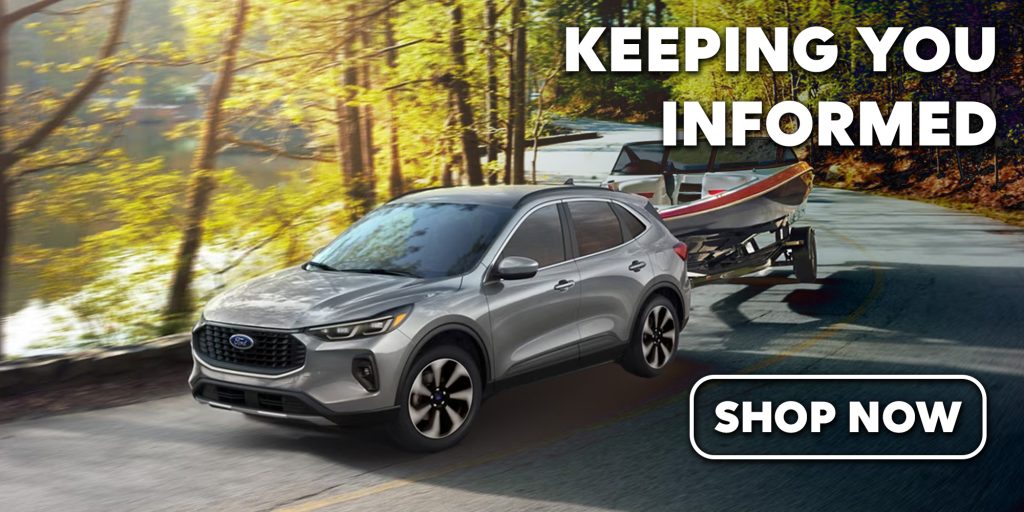
If you want a compact SUV that offers a smooth and technologically advanced riding experience, then the Ford Escape is the one for you. Before purchasing a new Ford Escape, it’s important to understand the total cost of ownership. This includes the purchase price, insurance, depreciation, and maintenance costs. Crossroads Ford of Fuquay-Varina provides a comprehensive guide to help you make an informed decision. Let’s get started!

Initial Purchase Price & Incentives
The Ford Escape has a starting price range of around $30,000-41,000. The final cost depends on the trim level, options, and model year. Dealerships often offer incentives and discounts to lower the purchase price. When negotiating, consider the invoice price, current market value, and available rebates. Additionally, the initial purchase price can significantly impact the Ford Escape’s resale value over time, affecting how much it retains after ownership for a number of years.
Numerous Features to Enjoy: The Specs
When you first encounter the Ford Escape, you’re met with an eye-catching style that’ll complement the standard features, including 17-in. Shadow Silver-Painted Aluminum Wheels, a Power Liftgate, and a captivating silhouette. Optional features include a panoramic Vista Roof® and a striking LED Light Bar. Under the hood, the standard 1.5L EcoBoost® engine delivers a smooth and responsive ride with 180 horsepower and 199 lb.-ft. of torque. Paired with AWD, an impressive fuel efficiency lets you achieve up to an EPA-estimated 26 MPG in the city and 32 MPG on the highway. For even greater fuel economy, the available 2.5L I-4 hybrid engine boasts up to 42 MPG in the city and 36 MPG on the highway. You can also tow up to 3,500 lbs. for all your rugged needs with the available 2.0L EcoBoost® AWD engine and Class II Trailer Tow Package. Keep in mind that these enhancements will increase the cost of a Ford Escape.
The spacious cabin comfortably accommodates up to five passengers, making it perfect for daily commutes, weekend getaways, or family adventures. When you need extra cargo space, simply fold down the second-row seats to reveal a maximum cargo capacity of 65.4 cu.ft. Stay connected and entertained with the SYNC® 4 infotainment system, displayed on an 8-in. LCD touchscreen and compatible with Apple CarPlay® and Android Auto™. Ford Co-Pilot360® comes standard, offering a suite of driver-assistance features, including Blind Spot Information System (BLIS®), Pre-Collision Assist with Automatic Emergency Braking, and more.

Choosing the Right Ford Escape for Your Needs
Selecting the perfect Ford Escape for your needs involves several key considerations. Here are some tips to help you make an informed decision.
Determine Your Budget: Start by considering your purchase price, monthly payment, and interest rates. Knowing these will give you insight into how much you can afford to spend on a Ford Escape.
Assess Your Needs: Think about how you plan to use your Ford Escape. If it’s primarily for daily commuting, a base model might suffice. However, if you need a vehicle with more pep or style, upgrading to available features or higher models might be what you need.
Research Different Model Years: Compare depreciation rates, maintenance costs, and resale values for different model years. This will help you find the best value for your money.
Test-Drive Different Trims: Take various trim levels for a test drive to see which one best suits your needs and preferences.
Consider Ford Blue Advantage Options: If you’re looking for a used Ford Escape, consider Ford Blue Advantage certified pre-owned options. These vehicles have been thoroughly inspected across numerous categories by professionals, offering added peace of mind.
By taking these into consideration, you can choose the right Ford Escape that fits your needs and budget, ensuring you get the best value for your money.

Five Years of Ownership: The Costs Involved
The Ford Escape’s estimated five-year cost is between $43,000-57,000. This includes depreciation, fuel, taxes, fees, financing, and insurance. Comparing the Ford Escape’s costs with other cars over five years, as well as with other SUVs in its class, can provide a broader market context. Using an online calculator and comparing costs with similar vehicles can help you make a more informed decision.
The Cost of Insurance & Maintenance
Insurance for a Ford Escape costs around $4,000-14,000 for five years. This varies based on trim level, options, and driving history. Shop around for the best rates and consider bundling policies. If you’d like to stick to branded coverage, Ford offers Ford Insure for all your needs.
In five years of ownership, maintenance costs for the Ford Escape can range from $3,000 to $5,000, but repair costs can fluctuate depending on the vehicle’s age, mileage, and specific issues. If you consider extended warranties, they’ll help protect you from unexpected repairs. Additionally, researching the reliability and durability of the Ford Escape can help you anticipate potential long-term costs.
Extra Protection: Warranty & Extended Warranty
Ford offers a 3-year/36,000-mile basic warranty and a 5-year/60,000-mile powertrain warranty. This coverage can reduce the overall cost of ownership. If you’re concerned about future maintenance costs, consider Ford Protect, an extended warranty program with packages that are tailored specifically to your needs with plans that cover theft, dents, tires, vehicle components, and so much more.
Own Your Ford Escape Today
The Ford Escape is the preferred option for those wanting a blend of comfort, style, and performance. When you’re looking to buy one of these efficient compact SUVs, consider maintenance costs, insurance expenses, and overall value to ensure you’re making the best choice for you. By researching these, as well as the Ford Escape’s features, trim levels, and depreciation rate, you’re guaranteed to find your perfect match. That being said, the overall cost of owning this ride after five years is around $43,000-57,000. If you’re prepared for the cost of owning a Ford Escape, visit Crossroads Ford of Fuquay-Varina for a test drive today!
Ford Bronco Cost of Ownership

Ford Bronco Cost: A Comprehensive Guide to Ownership
Thinking about incorporating a rugged Ford Bronco into your lifestyle? Before you’re able to take your ride on off-road adventures, it’s essential to understand the true cost of ownership. While the Ford Bronco is renowned for its versatility, ruggedness, and advanced features, the total financial commitment extends beyond the initial purchase price. At Crossroads Ford of Fuquay-Varina, we’ll review the intricacies of Ford Bronco ownership costs, from financing options to ongoing maintenance costs, in order to provide you with the information you need to make an informed decision. Visit us in Fuquay-Varina, NC, to get started!

Sticker Price: The First Indicator
The initial purchase price of a Ford Bronco varies based on the chosen trim and options. You can expect the starting MSRP to be approximately $41,000-91,000. This price range makes the cost of a Ford Bronco competitive within the SUV segment, particularly given its off-road capabilities and stylish design. You should consider additional costs such as taxes, registration, and destination fees, which can add to this initial purchase price.
Once you decide that the cost of the Ford Bronco is for you, making monthly payments is your next step to ownership. This value depends on several variables, including the Ford Bronco’s cost, down payment, loan term, and interest rate. If you’d like to find out more about the financing rate for a Ford Bronco, get in touch with the dealers in Fuquay-Varina, NC, for a customizable plan that works with your budget
Many financial institutions and dealerships offer financing rates tailored for the Ford Bronco. Incentives such as low APR financing or cash rebates can also affect the total cost of ownership. It’s important to compare these offers from multiple lenders to ensure you receive the best possible interest rate on your Ford Bronco.

The Cost of Personalization: The Second Indicator
You’re eager to take home your Ford Bronco after having negotiated a price and monthly payment that suits your budget. However, that was only the first step. You’ll then move onto any features you want to add to your ride, like color, style packages, technology features, accessories, and more. The cost of the Ford Bronco changes if you decide on available features like the 2.7L EcoBoost® engine that roars with 330 horsepower and 415 lb.-ft. of torque, or Tube Doors and Yakima® camping accessories for outdoor adventures. Another customization includes equipping your Ford Bronco with the Class II Trailer Tow Package, which lets you tow up to 4,500 lbs., making it perfect for campers, boats, and more. With the Mid or Lux Interior Packages, your Ford Bronco interior will have conveniences like a heated steering wheel, heated front-row seats, and a wireless charging pad, to name a few. Any of these add-ons will affect the total Ford Bronco cost of ownership.

Insurance & Maintenance Costs: The Third Indicator
Coverage for your Ford Bronco will add to the cost, but it’s crucial to have in case anything happens. You’ll want to be prepared by opting for insurance and budgeting for any maintenance done on your ride.
Insurance costs for the Ford Bronco can vary widely based on several factors, including the driver’s age, location, driving history, and the specific trim level. On average, you can expect to pay between $4,000-5,000 over the course of five years for insurance coverage. Factors like the Ford Bronco’s safety ratings and theft rates also play a role in determining insurance costs. Given its rugged design and off-road capabilities, some insurers may view this SUV as a higher risk, potentially leading to elevated costs on your Ford Bronco.
Every vehicle must undergo maintenance at some point, and having it done routinely helps ensure it’ll run for a long time. After five years of owning a Ford Bronco, the maintenance cost is estimated to be between $3,000 and $5,000. This includes oil changes, tire rotations, and inspections. Additionally, you should budget for potential repairs, especially if you decide to take your Ford Bronco off-road frequently, leading to increased wear and tear.
Do Ford Broncos Hold Their Value?
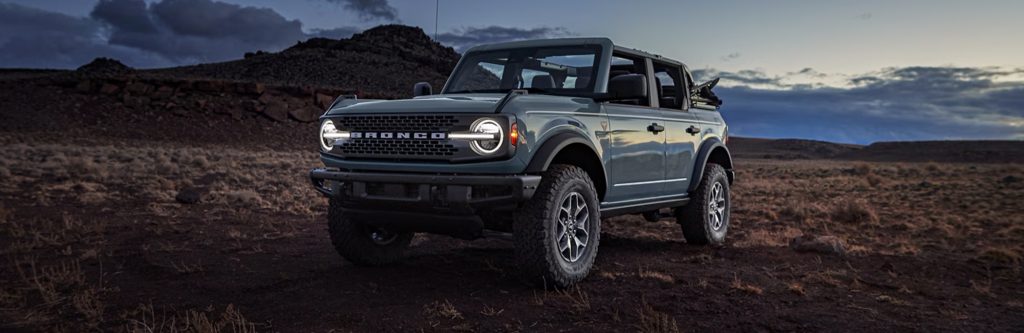
One crucial aspect of vehicle ownership is depreciation — the reduction in value over time. Several factors influence whether vehicles maintain their value, and the cost of a Ford Bronco holds strong with a slower depreciation rate. Market trends indicate that unique vehicles — especially those with strong heritage — tend to be more resilient against depreciation. Typically, new vehicles depreciate most significantly within the first few years, but if you keep your vehicle in good condition and limit modifications, you’ll likely see better resale returns. This value depends on factors such as location, trim level, and the condition of your ride. It’s estimated that after five years, the Ford Bronco cost of ownership ranges from $52,000 to $60,000, taking into account depreciation, fuel costs, and more. By thoroughly analyzing the Ford Bronco depreciation trends and resale values, you can make an informed decision when considering this rugged SUV to maximize your return on investment.
Ride Ruggedly
In summary, the Ford Bronco represents a blend of style, performance, and economic feasibility. The initial cost is balanced by the Ford Bronco’s strong resale value and relatively low depreciation rate. And with insurance and maintenance costs being reasonable compared to other vehicles in its class, this makes it an appealing option for many consumers. You can expect the five-year cost of ownership for a Ford Bronco to be around $52,000-60,000. If you’re ready to start your adventure, visit Crossroads Ford of Fuquay-Varina to test-drive your next SUV today!
Ford Bronco Sport Cost of Ownership

Discovering The Costs Of Owning A Ford Bronco Sport
Thinking about incorporating a rugged Ford Bronco Sport into your lifestyle? Before you’re able to take your ride on off-road adventures, it’s essential to understand the true cost of ownership. While the Ford Bronco Sport is renowned for its versatility, ruggedness, and advanced features, the total financial commitment extends beyond the initial purchase price. At Crossroads Ford of Fuquay-Varina, we’ll review the intricacies of Ford Bronco Sport ownership costs, from financing options to ongoing maintenance costs, in order to provide you with the information you need to make an informed decision. Visit us in Fuquay-Varina, NC, to get started!

Sticker Price: The Starting Point
The initial purchase price of a Ford Bronco Sport varies based on the chosen trim and options. You can expect the starting MSRP to be approximately $31,000-34,000. This price range makes the cost of a Ford Bronco Sport competitive within the small SUV segment, particularly given its off-road capabilities and versatile features. You should consider additional costs such as taxes, registration, and destination fees, which can add to this initial purchase price.
Once you decide that the cost of the Ford Bronco Sport is for you, making monthly payments is your next step to ownership. This value depends on several variables, including the Ford Bronco Sport’s cost, down payment, loan term, and interest rate. If you’d like to find out more about the financing rate for a Ford Bronco Sport, get in touch with the dealers in Fuquay-Varina, NC, for a customizable plan that works with your budget
Many financial institutions and dealerships offer financing rates tailored for the Ford Bronco Sport. Incentives such as low APR financing or cash rebates can also affect the total cost of ownership. It’s important to compare these offers from multiple lenders to ensure you receive the best possible interest rate on your Ford Bronco Sport.
The Cost of Personalization: Additional Costs
You’re eager to take home your Ford Bronco Sport after having negotiated a price and monthly payment that suits your budget. However, that was only the first step. You’ll then move onto any features you want to add to your ride, like color, style packages, technology features, accessories, and more. The cost of the Ford Bronco Sport changes if you decide on available features like the 2.0L EcoBoost® engine that churns out 250 horsepower 280 lb.-ft. of torque, or Rock Crawl and Mut/Ruts drive modes to better conquer off-roading. Another customization includes equipping your Ford Bronco Sport with the Class II Trailer Tow Package, which lets you tow up to 2,700 lbs., making it perfect for small campers, boats, and more. With different packages like the Convenience Package, your Ford Bronco Sport interior will have accessible amenities like heated front-row seats, a wireless charging pad, and rear parking sensors to name a few. Any of these add-ons will affect the total Ford Bronco Sport cost of ownership.

Insurance & Maintenance Costs
Coverage for your Ford Bronco Sport will add to the cost, but it’s crucial to have in case anything happens. You’ll want to be prepared by opting for insurance and budgeting for any maintenance done on your ride.
Insurance costs for the Ford Bronco Sport can vary widely based on several factors, including the driver’s age, location, driving history, and the specific trim level. On average, you can expect to pay between $4,000-14,000 over the course of five years for insurance coverage. Factors like the Ford Bronco Sport’s safety ratings and theft rates also play a role in determining insurance costs. Given its rugged design and off-road capabilities, some insurers may view this SUV as a higher risk, potentially leading to elevated costs on your Ford Bronco Sport.
Every vehicle must undergo maintenance at some point, and having it done routinely helps ensure it’ll run for a long time. After five years of owning a Ford Bronco Sport, the maintenance cost is estimated to be between $2,000-4,000. This includes oil changes, tire rotations, and inspections. Additionally, you should budget for potential repairs, especially if you decide to take your Ford Bronco Sport off-road frequently, leading to increased wear and tear.

Do Ford Bronco Sports Hold Their Value?
One crucial aspect of vehicle ownership is depreciation — the reduction in value over time. Several factors influence whether vehicles maintain their value, and the cost of a Ford Bronco Sport holds strong with a slower depreciation rate. Market trends indicate that unique vehicles — especially those with strong heritage — tend to be more resilient against depreciation. Typically, new vehicles depreciate most significantly within the first few years, but if you keep your vehicle in good condition and limit modifications, you’ll likely see better resale returns. This value depends on factors such as location, trim level, and the condition of your ride. It’s estimated that after five years, the Ford Bronco Sport’s cost of ownership ranges from $44,000-59,000, taking into account depreciation, fuel costs, and more. By thoroughly analyzing the Ford Bronco Sport’s depreciation trends and resale values, you can make an informed decision when considering this rugged SUV to maximize your return on investment.
Ride Ruggedly
In summary, the Ford Bronco Sport represents a blend of style, performance, and economic feasibility. The initial cost is balanced by the Ford Bronco Sport’s strong resale value and relatively low depreciation rate. And with insurance and maintenance costs being reasonable compared to other vehicles in its class, this makes it an appealing option for many consumers. You can expect the five-year cost of ownership for a Ford Bronco Sport to be around $44,000-59,000. If you’re ready to start your adventure, visit Crossroads Ford of Fuquay-Varina to test-drive your next SUV today!
Ford Expedition Cost of Ownership

The Pricing & Ownership Expenses Of A Ford Expedition
The Ford Expedition is a full-size SUV that offers a spacious and comfortable riding experience equipped with numerous features that are perfect for the whole family. Before purchasing a new Ford Expedition, it’s important to understand the total cost of ownership. This includes the purchase price, insurance, depreciation, and maintenance costs. Crossroads Ford of Fuquay-Varina provides a comprehensive guide to help you make an informed decision. Let’s get started!

Initial Purchase Price & Incentives
The Ford Expedition has a starting price range of around $64,000-79,000. The final cost depends on the trim level, options, and model year. Dealerships often offer incentives and discounts to lower the purchase price. When negotiating, consider the invoice price, current market value, and available rebates. Additionally, the initial purchase price significantly informs the Ford Expedition’s resale value over time, or how much value it retains after ownership for a number of years compared to when it was brand new.
Numerous Features to Enjoy: The Specs
Whether you choose a 210-in. long Ford Expedition or a 221.9-in. long Ford Expedition MAX, you can customize it to your liking. From performance and appearance upgrades such as the Stealth Edition and Texas Edition Packages to the available 3.5L EcoBoost® High-Output engine that generates up to 440 horsepower and 510 lb.-ft. of torque, your choices are numerous. For those seeking extra towing capabilities, when you equip the Ford Expedition with the Heavy-Duty Trailer Tow Package, you can tow up to 9,300 lbs. Stepping inside the spacious Ford Expedition interior, ample seating for up to eight passengers make it perfect for family adventures. Elevate your driving experience with premium materials available on select models, adorning the interior surfaces and seating. The Ford Expedition boasts a spacious cargo area, offering up to 104.6 cu.ft. of storage, and up to 121.5 cu.ft. on the Ford Expedition MAX. Stay connected and entertained with a 12-in. LCD touchscreen infotainment system featuring SYNC® 4 or available SYNC® 4A, offering seamless integration with Apple CarPlay® and Android Auto™. Drive with confidence thanks to standard driver-assistance features like Lane-Keeping System and Hill Descent Control™, included in the available Ford Co-Pilot360® suite.

Choosing the Right Ford Expedition for Your Needs
Selecting the perfect Ford Expedition for your needs involves several key considerations. Here are some tips to help you make an informed decision.
Determine Your Budget: Start by considering your purchase price, monthly payment, and interest rates. Knowing these will give you insight into how much you can afford to spend on a Ford Expedition.
Assess Your Needs: Think about how you plan to use your Ford Expedition. If it’s primarily for daily commuting, a base model might suffice. However, if you need a vehicle with more pep or style, upgrading to available features or higher models might be what you need.
Research Different Model Years: Compare depreciation rates, maintenance costs, and if the Ford Expedition holds its value for different model years. This will help you find the best value for your money.
Test-Drive Different Trims: Take various trim levels for a test drive to see which one best suits your needs and preferences.
Consider Ford Blue Advantage Options: If you’re looking for a used Ford Expedition, consider Ford Blue Advantage certified pre-owned options. These vehicles have been thoroughly inspected across numerous categories by professionals, offering added peace of mind.
By taking these factors into account, you can choose the right Ford Expedition that fits your needs and budget, ensuring you get the best value for your money.

Five Years of Ownership: The Costs Involved
The Ford Expedition’s estimated five-year cost is between $94,000 and $96,000. This includes depreciation, taxes, fees, financing, and insurance. Comparing the Ford Expedition’s costs with other cars over five years, as well as with other SUVs and full-size SUVs, can provide a broader market context. Using an online calculator and comparing costs with similar vehicles can help you make a more informed decision.
The Cost of Insurance & Maintenance
Insurance for a Ford Expedition costs around $5,000-14,000 over five years. This varies based on trim level, options, and driving history. Shop around for the best rates and consider bundling policies. If you’d like to stick to branded coverage, Ford offers Ford Insure for all your needs.
In five years of ownership, maintenance costs for the Ford Expedition can range from $3,000-5,000, but repair costs can fluctuate depending on the vehicle’s age, mileage, and specific issues. If you consider extended warranties, they’ll help protect you from unexpected repairs. Additionally, researching the reliability and durability of the Ford Expedition can help you anticipate potential long-term costs.
Extra Protection: Warranty & Extended Warranty
Ford offers a 3-year/36,000-mile basic warranty and a 5-year/60,000-mile powertrain warranty. This coverage can reduce the overall cost of ownership. If you’re concerned about future maintenance costs, consider Ford Protect, an extended warranty program with packages that are tailored specifically to your needs with plans that cover theft, dents, tires, vehicle components, and so much more.
Own Your Ford Expedition Today
The Ford Expedition is the preferred option for those wanting a blend of comfort, style, and performance. When you’re looking to buy one of these spacious full-size SUVs, consider maintenance costs, insurance expenses, and overall value to ensure you’re making the best choice for you. By researching these, as well as the Ford Expedition’s features, trim levels, and depreciation rate, you’re guaranteed to find your perfect match. That being said, the overall cost of owning this ride over five years is around $94,000-96,000. If you’re prepared for the cost of owning a Ford Expedition, visit Crossroads Ford of Fuquay-Varina for a test drive today!
Used Ford Escape Buying Guide
Finding Your Perfect Used Ford Escape
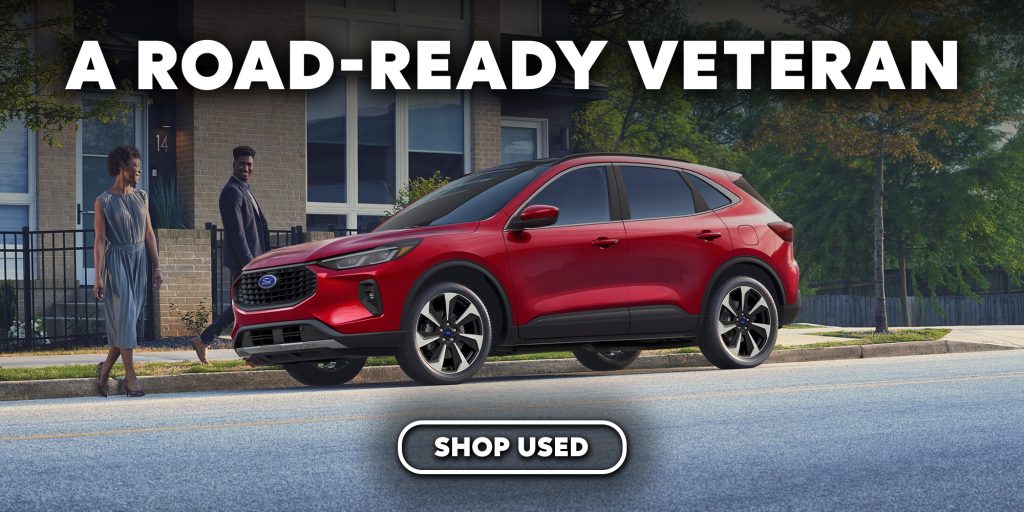
Known for its blend of practicality, affordability, and maneuverability, the Ford Escape has carved a niche for itself in the compact SUV market, making it a popular choice for families and individuals alike. But with several generations, navigating what year is the best to buy a used Ford Escape can be tricky. At Crossroads Ford of Fuquay-Varina, we’ll delve into the world of these used vehicles, exploring how good some Ford Escape models are, while also discussing some years to avoid according to their year, reliability, and overall value proposition. If you’d like to experience everything that a used Ford Escape has to offer, visit our dealership for a test-drive today!

A History of Compact SUV Capability
The Ford Escape debuted in 2001. The body style of the Ford Escape has changed over the years to reflect consumer preferences and technological advancements. The current Ford Escape model and most recent model years offer a comfortable ride and a choice between four engines: a 1.5L, 2.0L, full hybrid, or plug-in hybrid. It went through several redesigns over the years, adding features to improve fuel efficiency, and expanding engine options. However, there were a fair share of features that worked and didn’t work. This information will help you decide what the best year to buy a used Ford Escape is.

Are Used Ford Escapes Reliable? A Balanced Look
The reliability of used Ford Escapes can vary depending on the model year. Many later models come equipped with advanced safety features like Automatic Emergency Braking, which contributes to their improved reliability ratings. However, some of the earlier models reported issues involving the transmission and steering. These early models also faced problems with engine failure, including coolant leaks and misfires. Some years to avoid include:
2022 & 2023: These years were a couple of difficult years for the Ford Escape. From reports of poor interior quality and comfort to a numb steering feel, drivers found themselves struggling when driving. Additionally, some drivers reported the eight-speed automatic transmission resisting downshifts, along with a glitching touchscreen and issues with the coolant system.

The Sweet Spot: Top Picks for the Best Ford Escape Years
While the Ford Escape has its share of ups and downs across its history, specific model years stand out as the best years for their reliability and value. We’ll delve deeper into the top contenders of what the best used Ford Escape to buy are.
2019 & 2020: The 2019 and 2020 Ford Escape models further refine the formula of efficiency and class, as they boast a stylish design, a well-equipped interior with advanced tech features, and a smooth-shifting transmission. It won’t be hard to see why these are among the best years to buy a used Ford Escape. An impressive EPA-estimated fuel economy makes these years ideal for budget-conscious buyers, daily commuters, and part-time adventurers. The 2019 and 2020 models also offer advanced safety features like Adaptive Cruise Control to further enhance the driving experience.
2024: This year also exudes confidence for drivers, offering a sporty driving experience, responsive braking, and a user-friendly infotainment system. This SUV’s fuel economy is also ideal for all of your travels while boasting an efficient cargo space for what you need.
It’s important to remember that a vehicle’s history plays a crucial role in determining what the best year to buy a Ford Escape is and how reliable it will be. Regular maintenance and a clean vehicle history report are essential factors to consider when purchasing any used car, including a Ford Escape.
It’s Time to Ride
The Ford Escape model offers a compelling proposition in the used car market. Choosing the right Ford Escape year is crucial to ensure you get a reliable and well-performing vehicle. Remember to prioritize a well-maintained vehicle with a clean history report for optimal performance and peace of mind. It’ll provide you with a good balance of functionality, comfort, and affordability. By focusing on the 2019, 2020, and 2024 Ford Escape model years, you can find a reliable ride that suits your needs. With careful research and due diligence, Crossroads Ford of Fuquay-Varina is here to help you navigate what year is the best to buy a used Ford Escape!

